About the lab
Our lab members work at the intersections of skeletal and human biology, integrating studies of past and contemporary peoples. Ongoing work spans the subdisciplines - current projects address topics within forensic anthropology, bioarchaeology, and human biology. See the Projects tab for a sample of what we do.
The lab: Our lab space is a secure computing space, set up with several high powered computers and secure data storage system. In this space, we work with medical images (especially CT scans, often large files), build statistical models, and perform other data analyses. Data collection for some projects also occurs in the field, in collaboration with the MRC Unit the Gambia for our human biology projects, but also in museums and medicolegal institutions around the world for skeletal biology projects. Members of our group may also be able to use other spaces in the department if necessary.
Lab ethos: We value collaborative, interdisciplinary, methodologically sound work that is grounded in open science principles. Lab members are expected to read broadly and across sub-disciplines, dedicate time to improving their statistical skills, to work in R and to support each other’s work where appropriate. We meet as a group weekly for journal clubs, code reviews, and/or to share progress updates.
Prospective students: If you are considering applying to join the lab as an MSc or PhD student, please get in touch with me via e-mail prior to applying. This will help you determine whether your research interests align with our work.
The lab: Our lab space is a secure computing space, set up with several high powered computers and secure data storage system. In this space, we work with medical images (especially CT scans, often large files), build statistical models, and perform other data analyses. Data collection for some projects also occurs in the field, in collaboration with the MRC Unit the Gambia for our human biology projects, but also in museums and medicolegal institutions around the world for skeletal biology projects. Members of our group may also be able to use other spaces in the department if necessary.
Lab ethos: We value collaborative, interdisciplinary, methodologically sound work that is grounded in open science principles. Lab members are expected to read broadly and across sub-disciplines, dedicate time to improving their statistical skills, to work in R and to support each other’s work where appropriate. We meet as a group weekly for journal clubs, code reviews, and/or to share progress updates.
Prospective students: If you are considering applying to join the lab as an MSc or PhD student, please get in touch with me via e-mail prior to applying. This will help you determine whether your research interests align with our work.
Meet our lab members
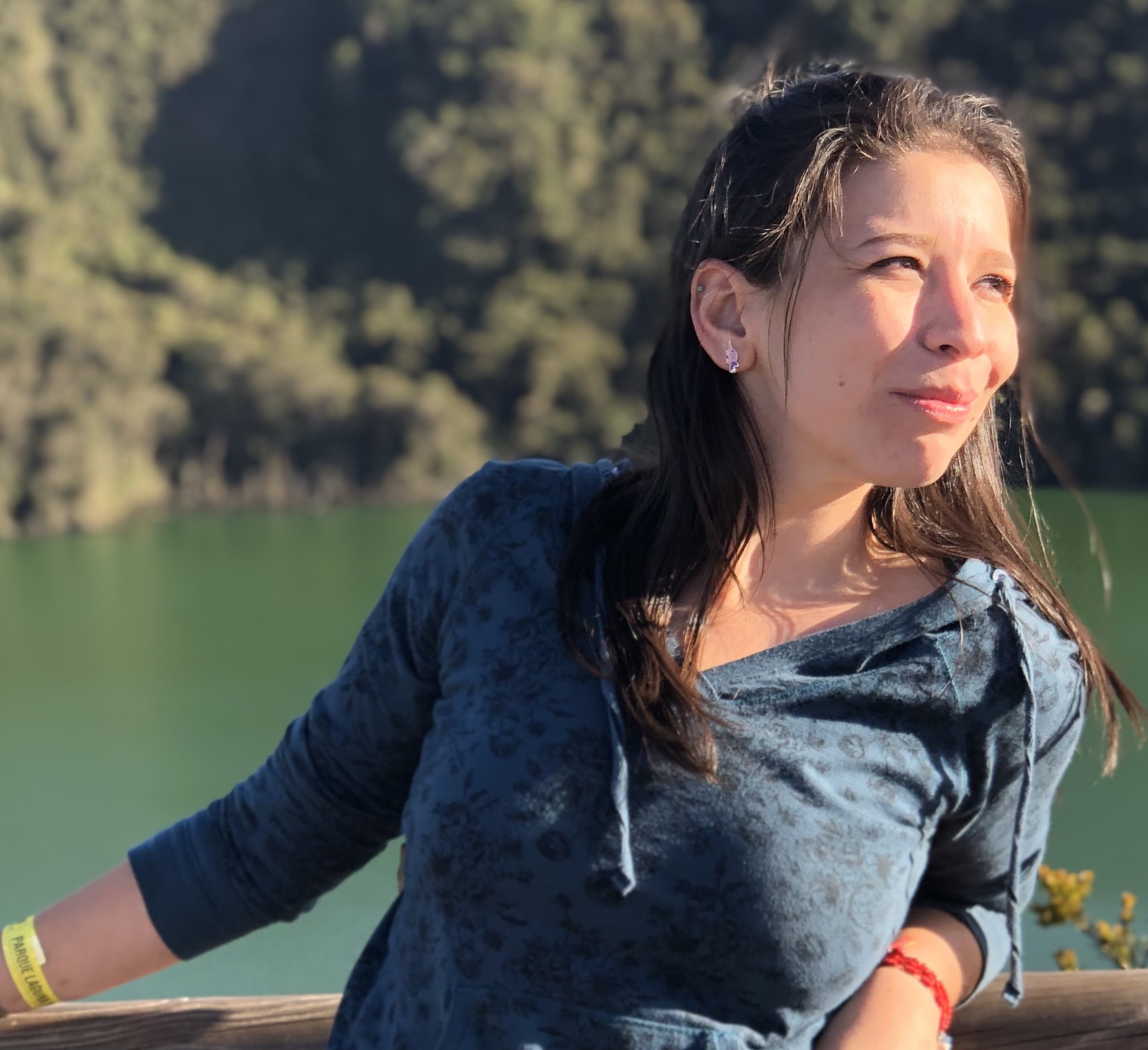
Alex Semma Tamayo
PhD Candidate
Alex is a graduate student in the lab working on gunshot wounds in tubular bones
Learn more →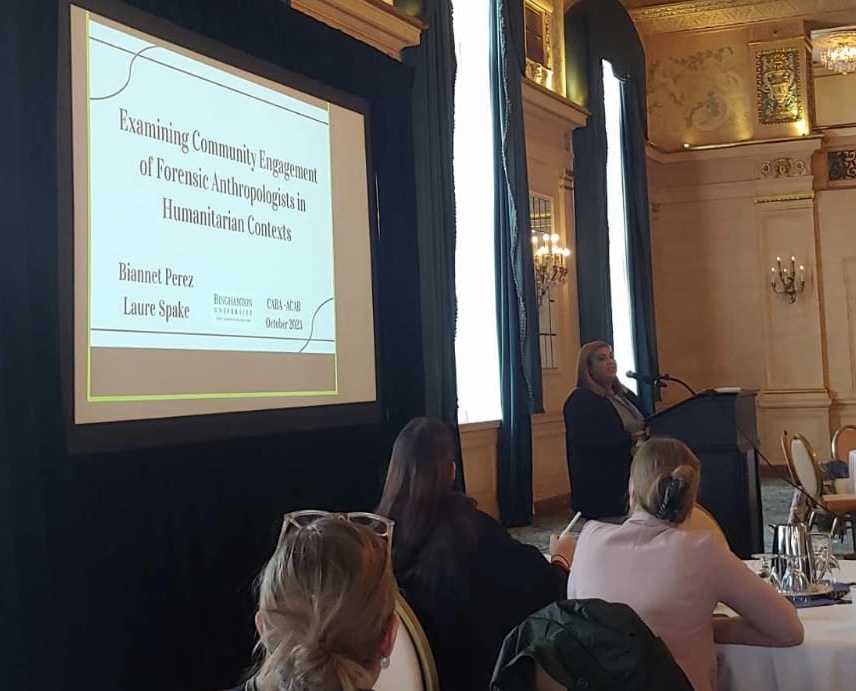
Biannet Perez
PhD Student
Biannet is a graduate student in the lab working on humanitarian forensics
Learn more →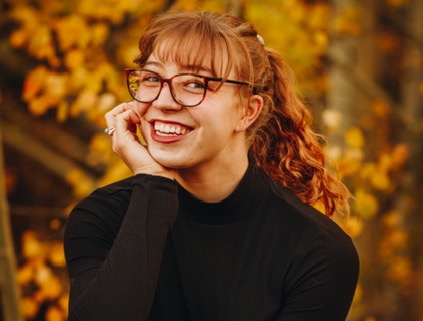
Kailee Behunin
MA/PhD Student and Researcher
Kailee is a graduate student in the lab working on trade-offs in growth and development
Learn more →